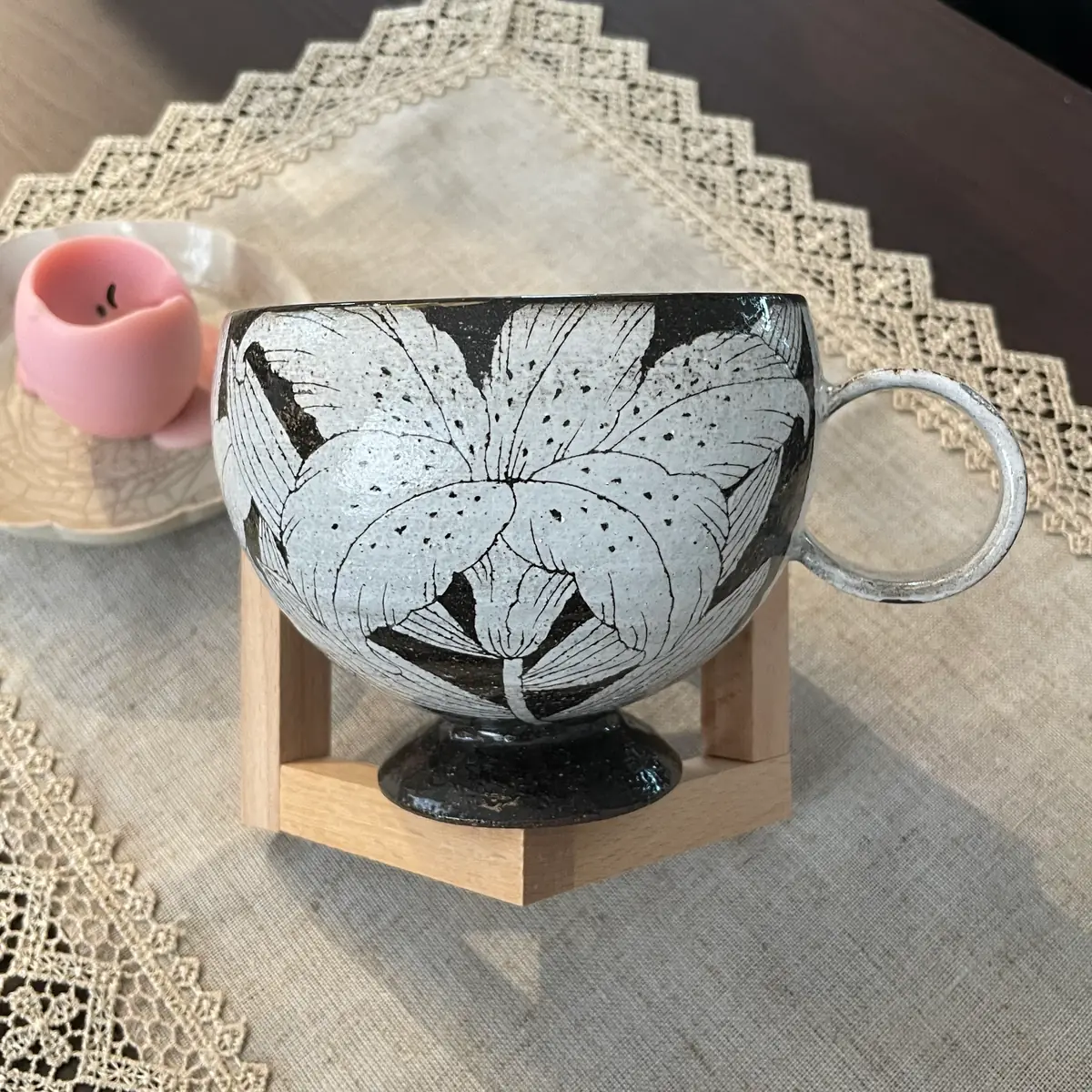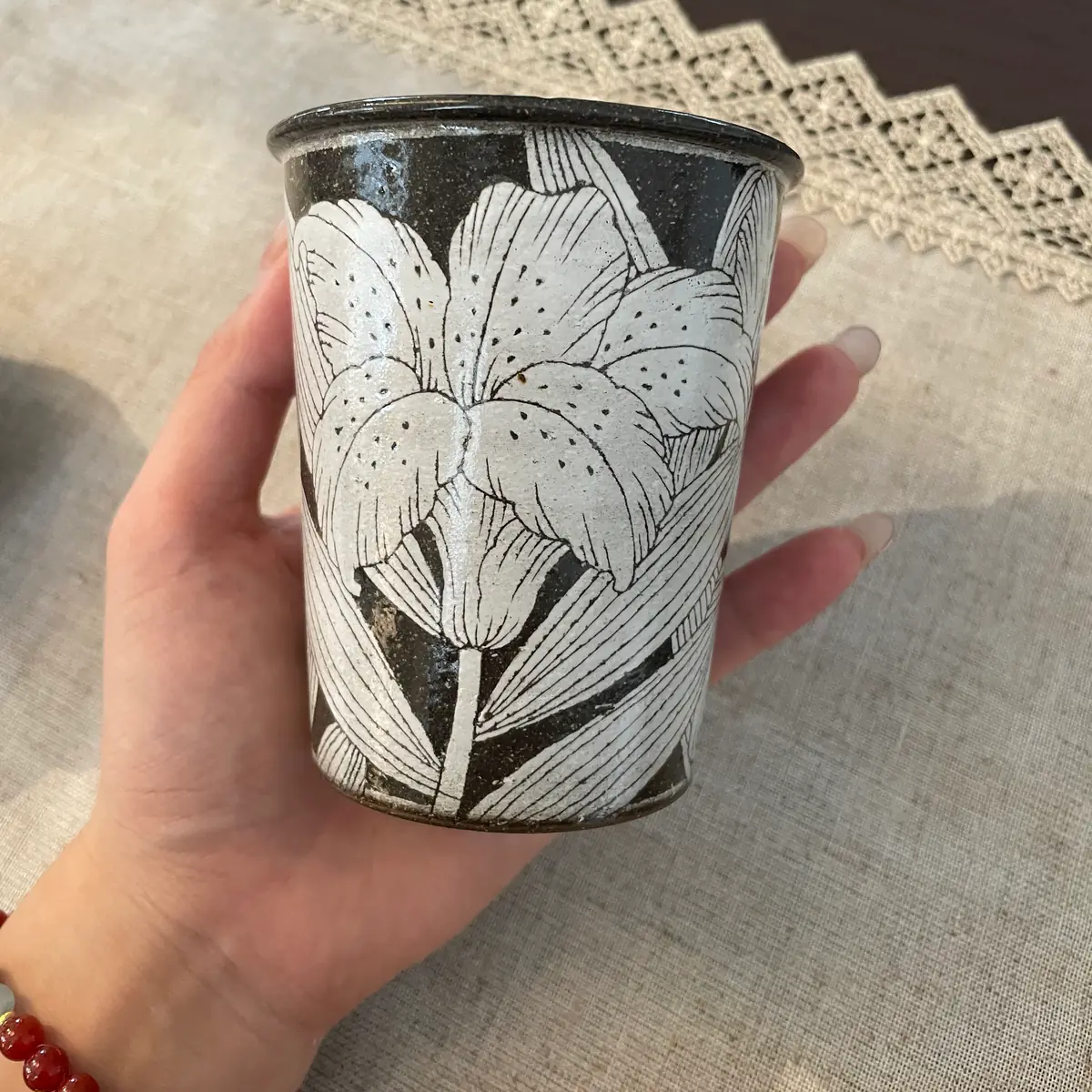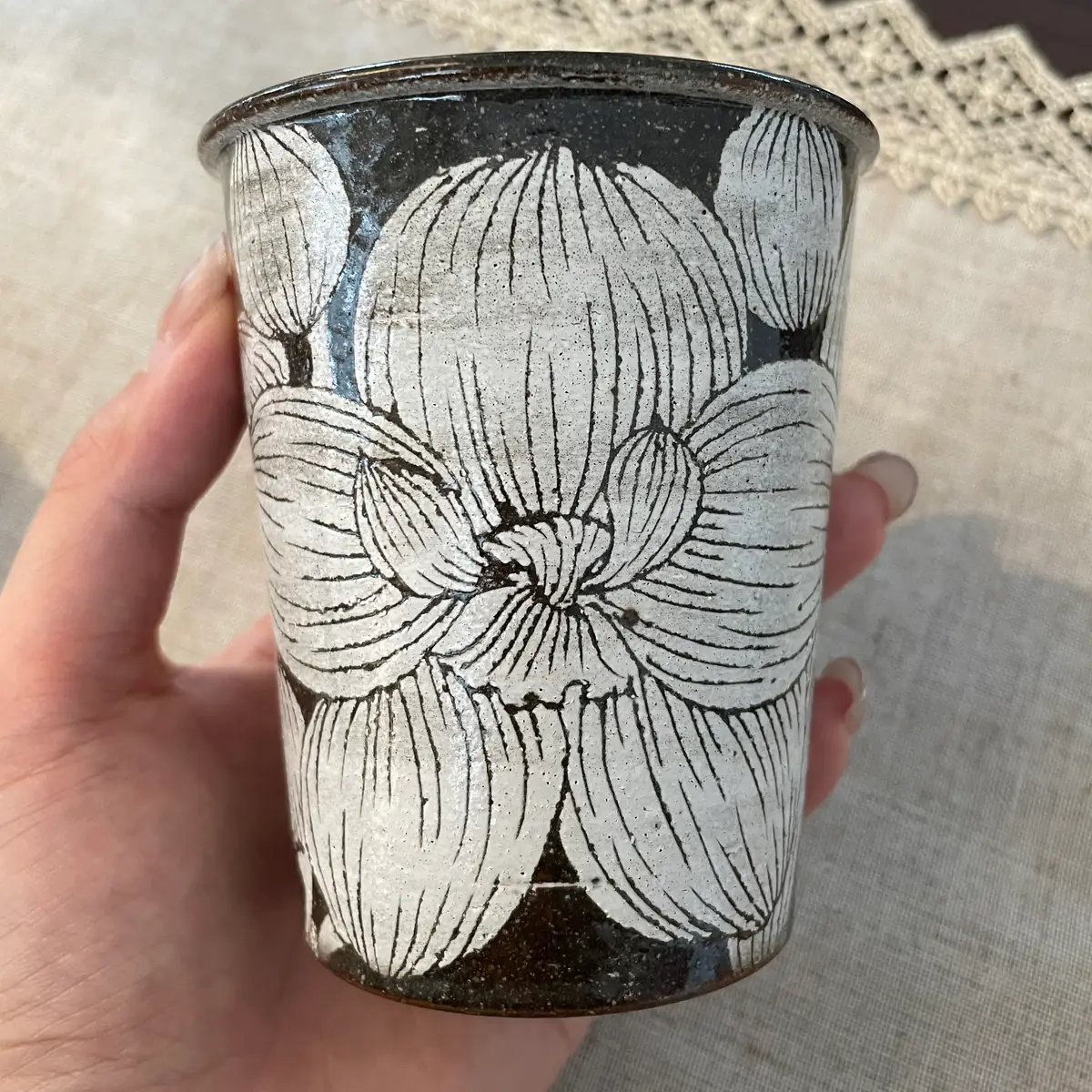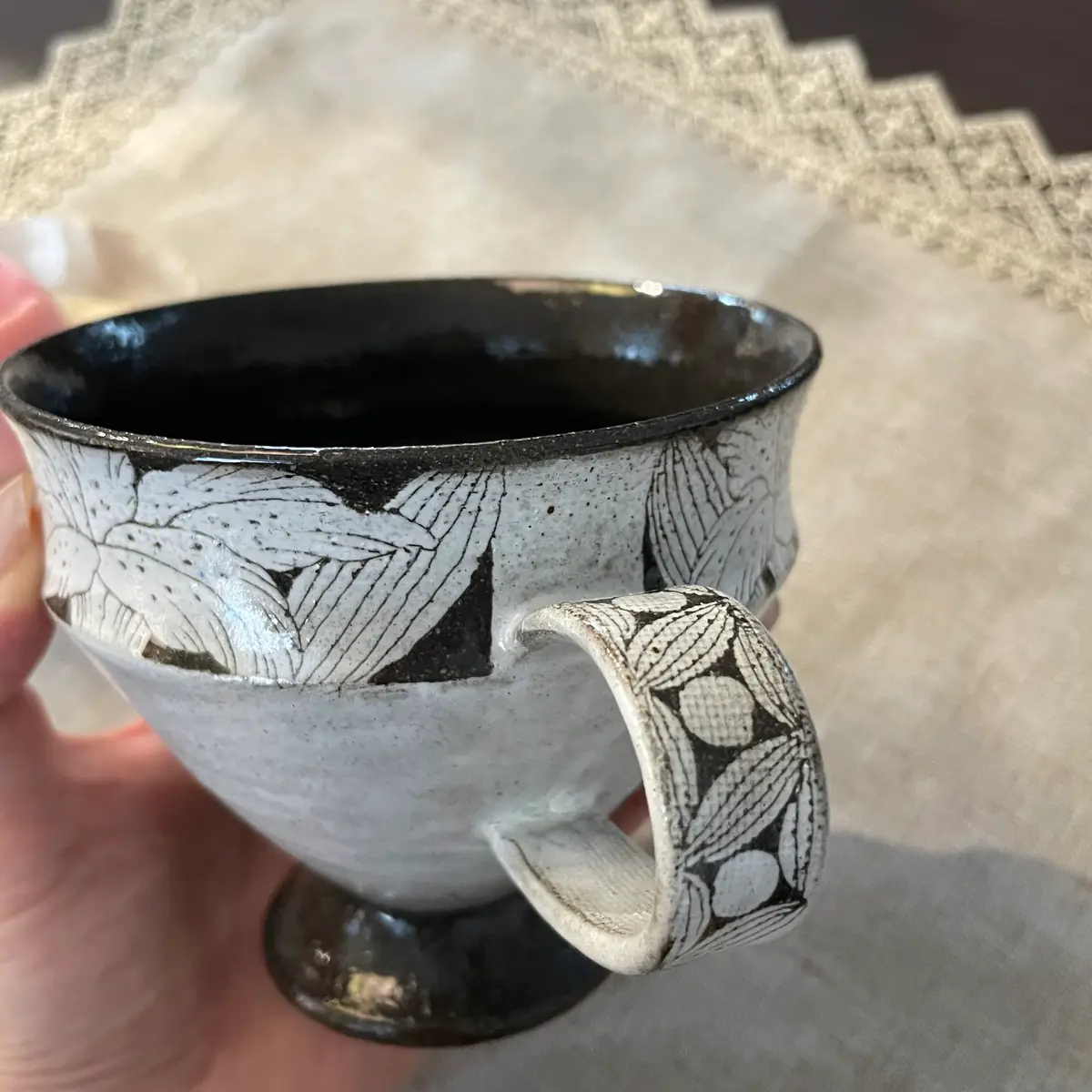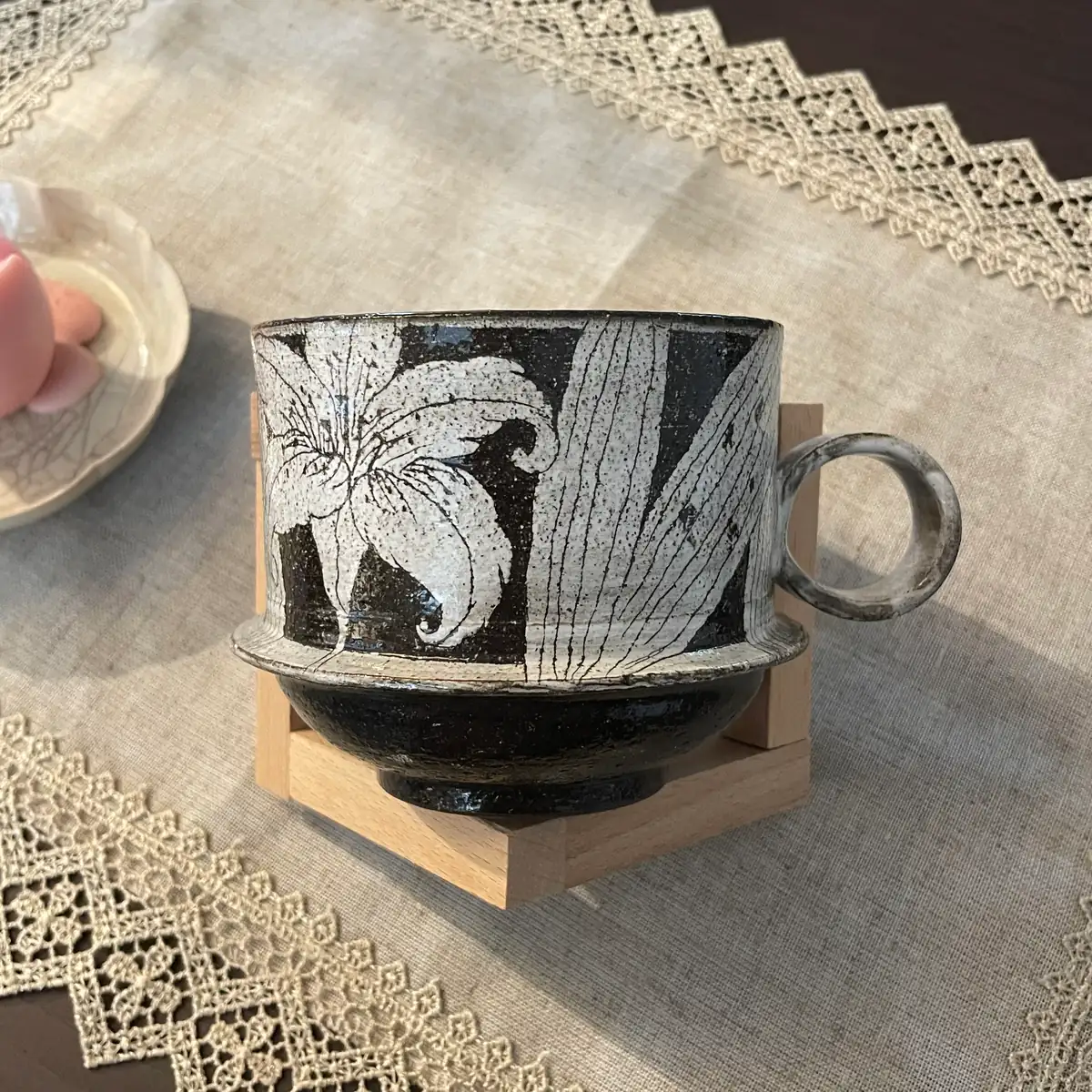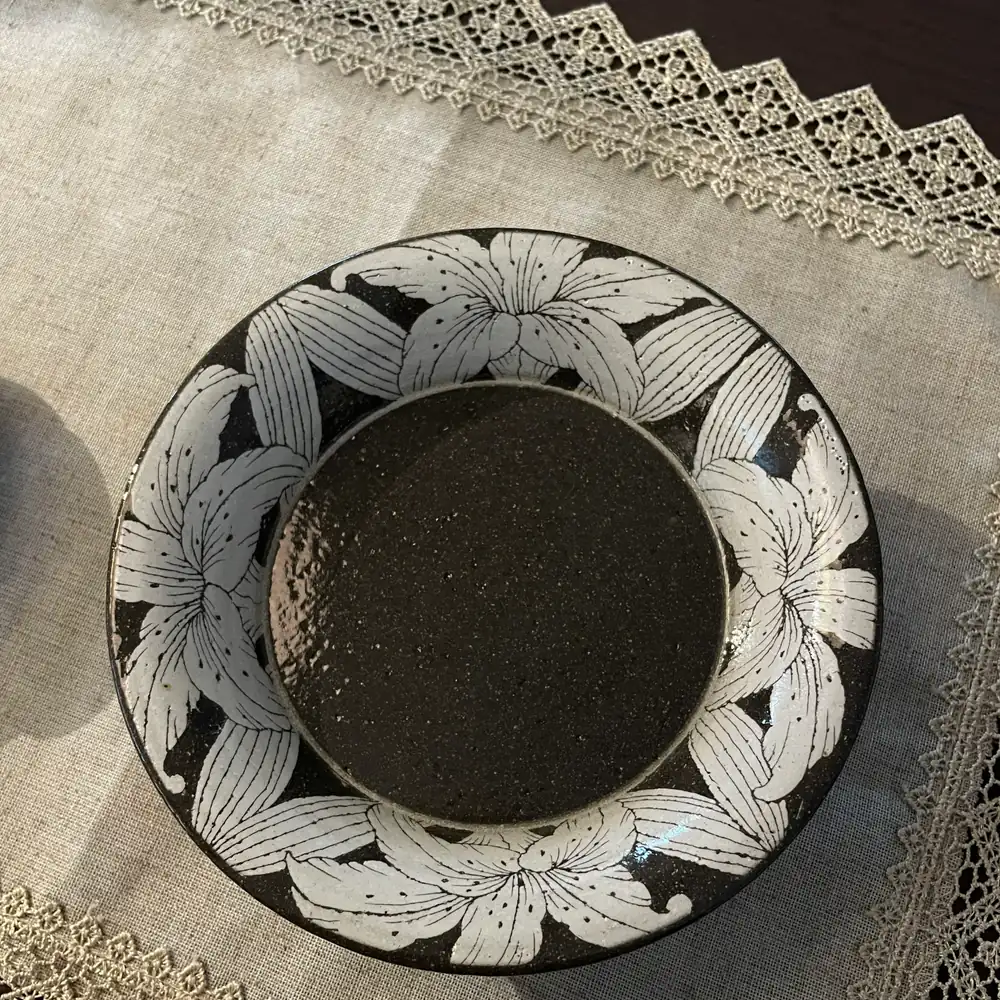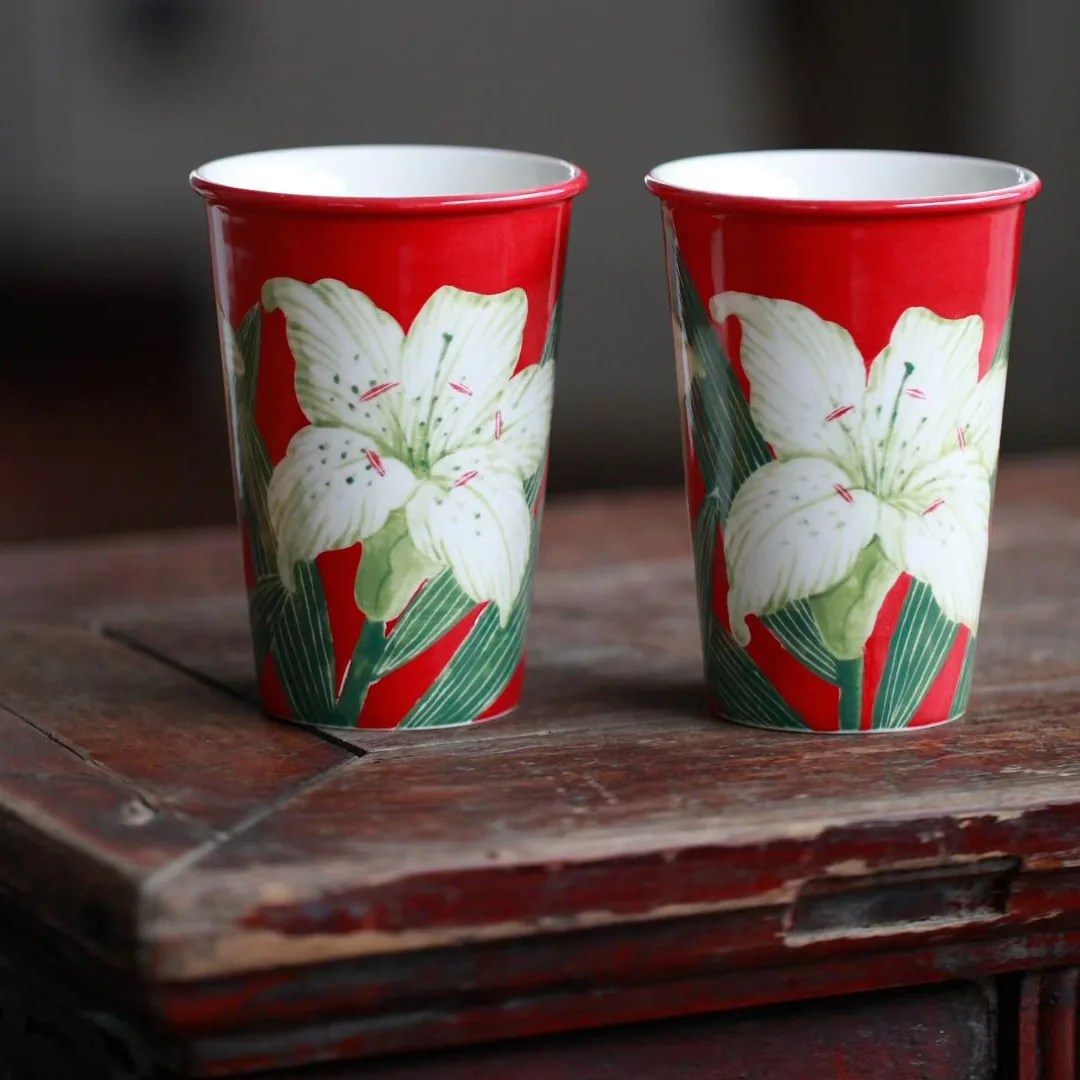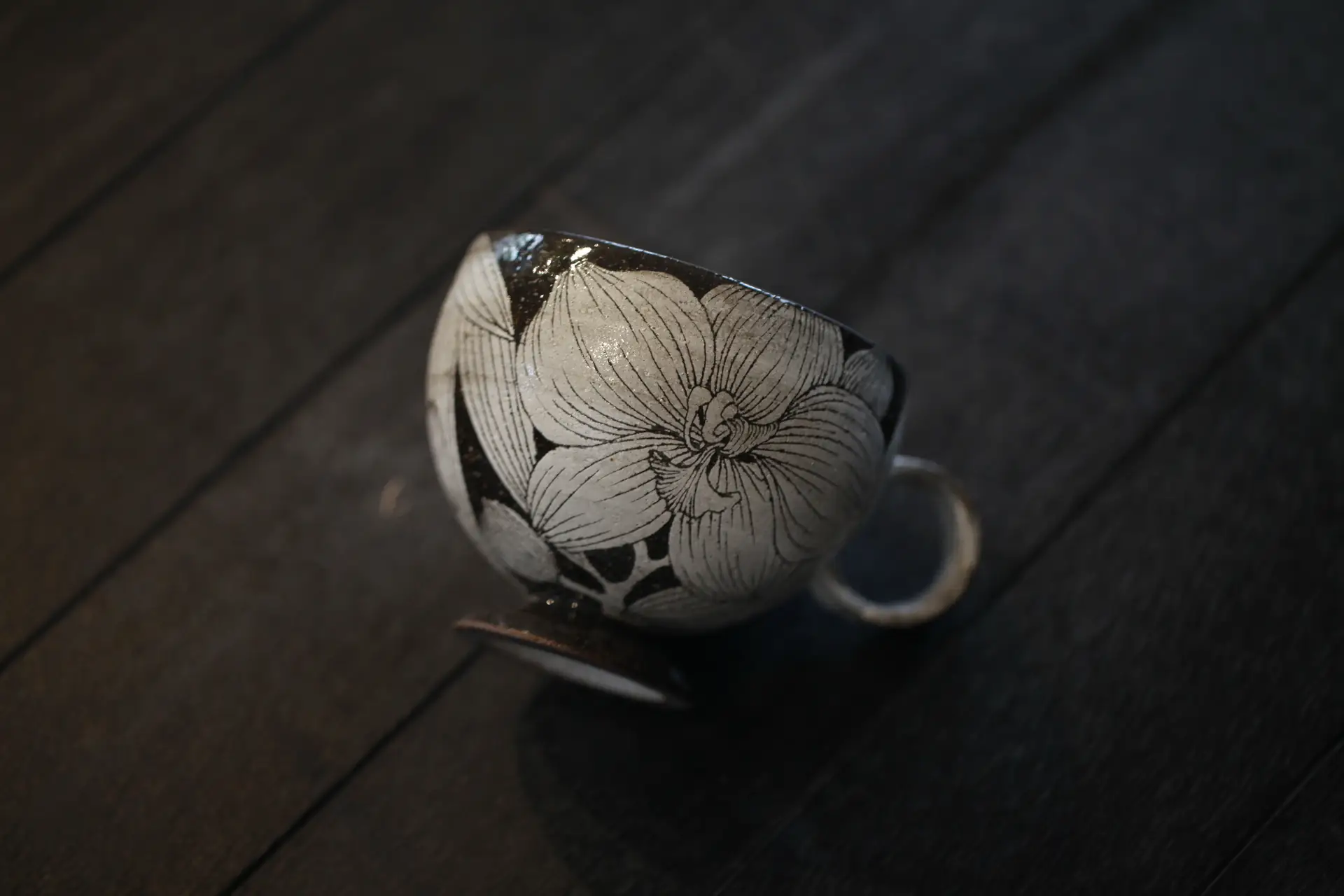
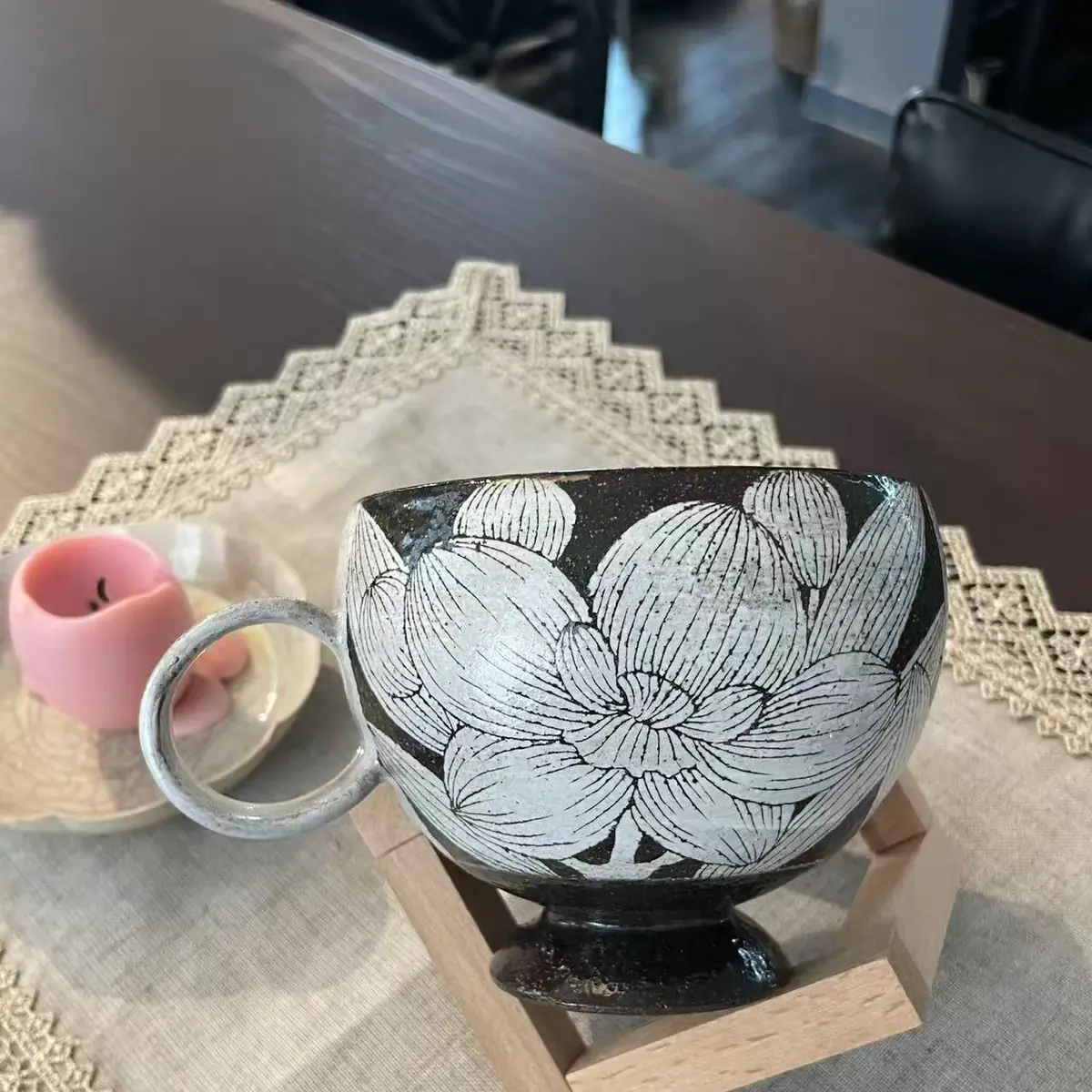
A hand-carved amaryllis teacup resting on dark wood in raking light

Carved, not printed

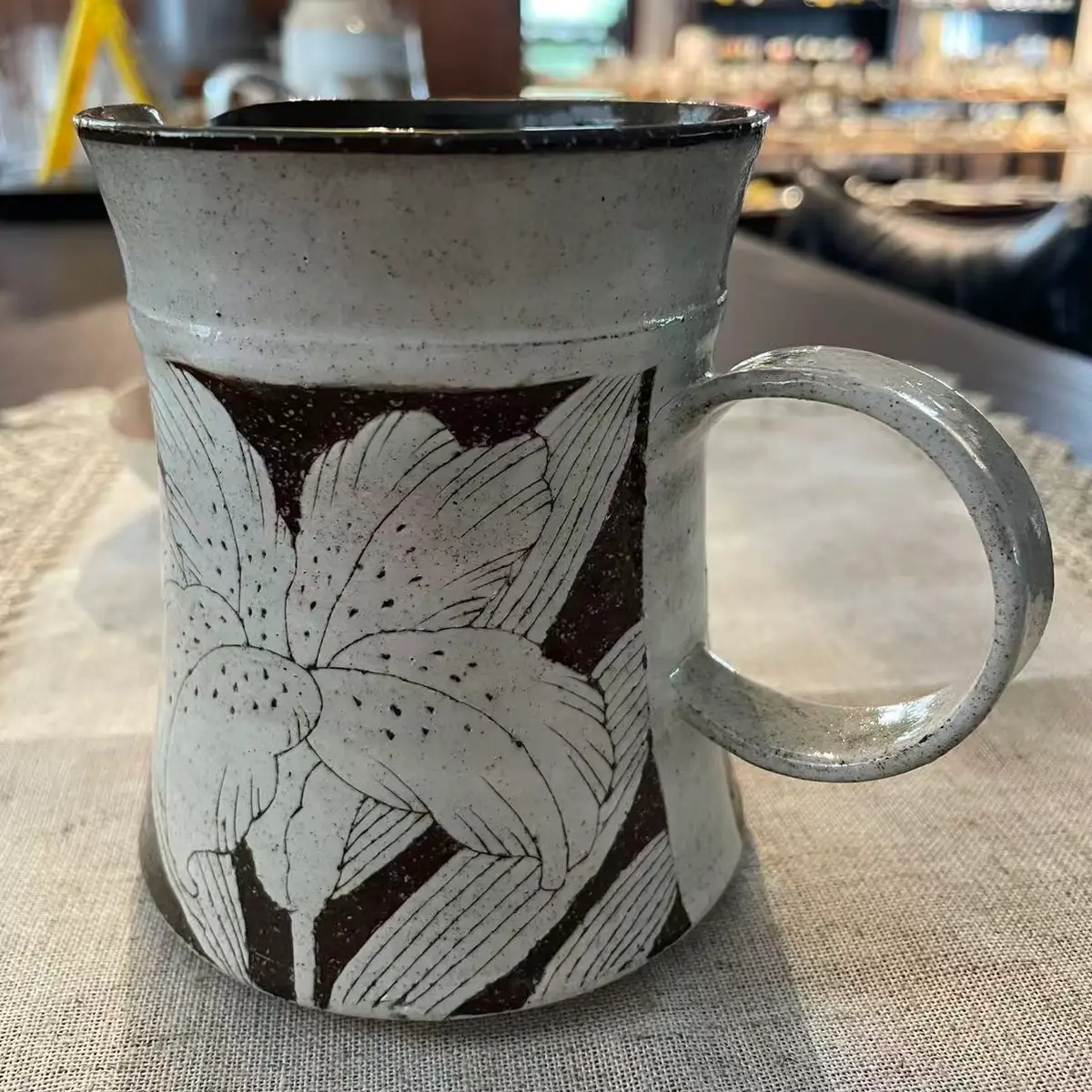
Speckled stoneware, brushed with white slip. Every flower is drawn freehand and carved through by hand — no transfers, no stamps, no two alike.

A one-woman ceramics studio in Yixing, China. Small batch. Crafted with intention.

Shop the Collection

Made one at a time

10 pieces in the shop right now. No two carry the same line — the drawing is cut freehand every time, so it cannot repeat.
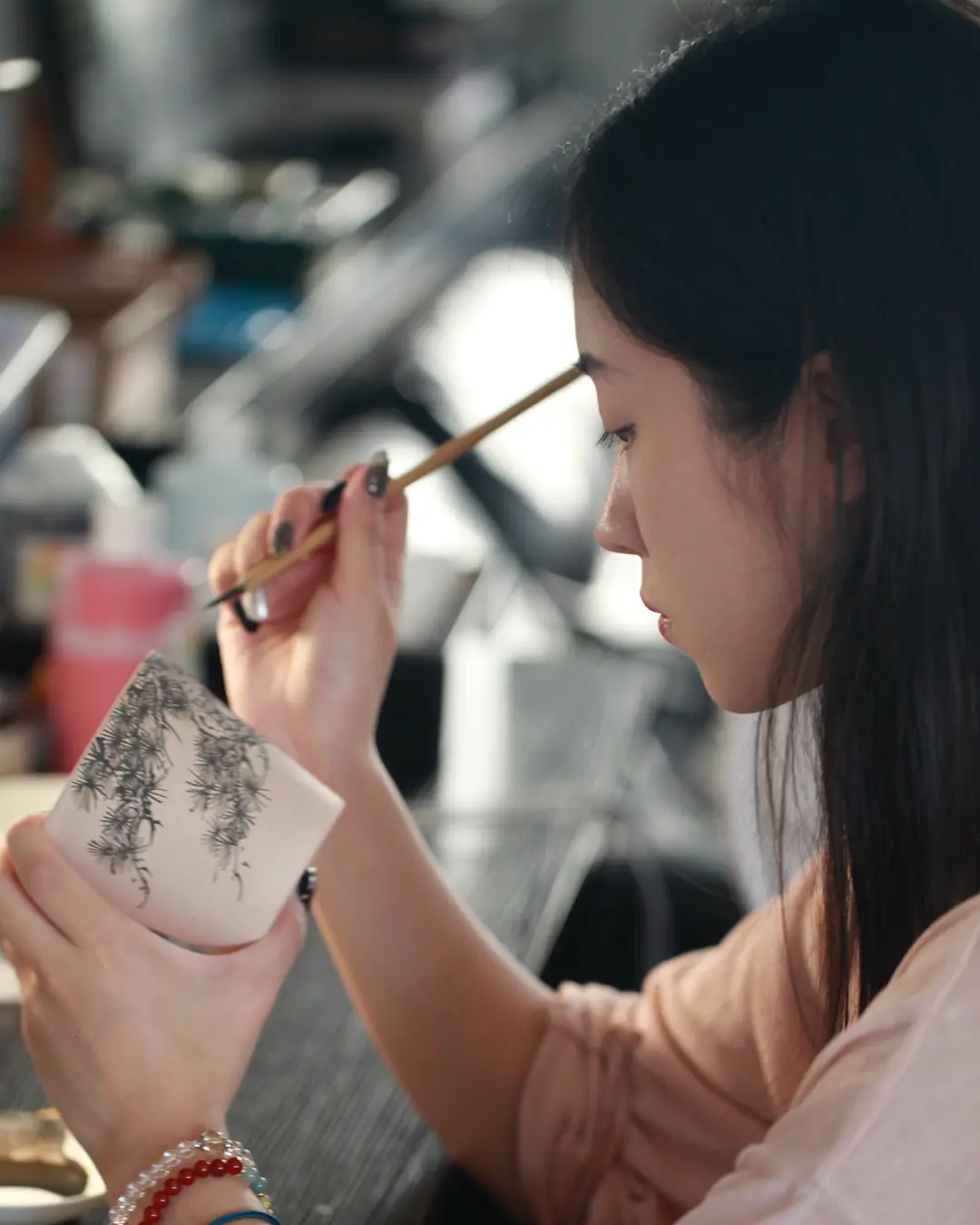
Zhao Ruyan carving a pine branch into a leather-hard cup

Every piece, one pair of hands

Made by Zhao Ruyan, in Yixing

She throws every form, draws every flower and cuts every line herself — no transfers, no second pair of hands. Every finished piece carries zhao carved into the foot.

  • Jingdezhen Ceramic University
  • MA, Chinese Painting
  • Gold — 21st Handmade Pottery Competition
Meet the maker

At Zhao Kiln, we believe

The beauty of life lives in the smallest moments.

A quiet morning coffee, a shared meal, a simple pause at the end of the day. Through thoughtful craftsmanship and timeless design, we create pieces that become part of those moments — bringing warmth, authenticity, and calm into everyday living.

Closer to stone than porcelain

Our clay is blended in the studio — raw Yixing ore with kaolin, feldspar and quartz — then aged for weeks before it touches the wheel. Fired, it keeps a faint grain of sand under your fingertips.

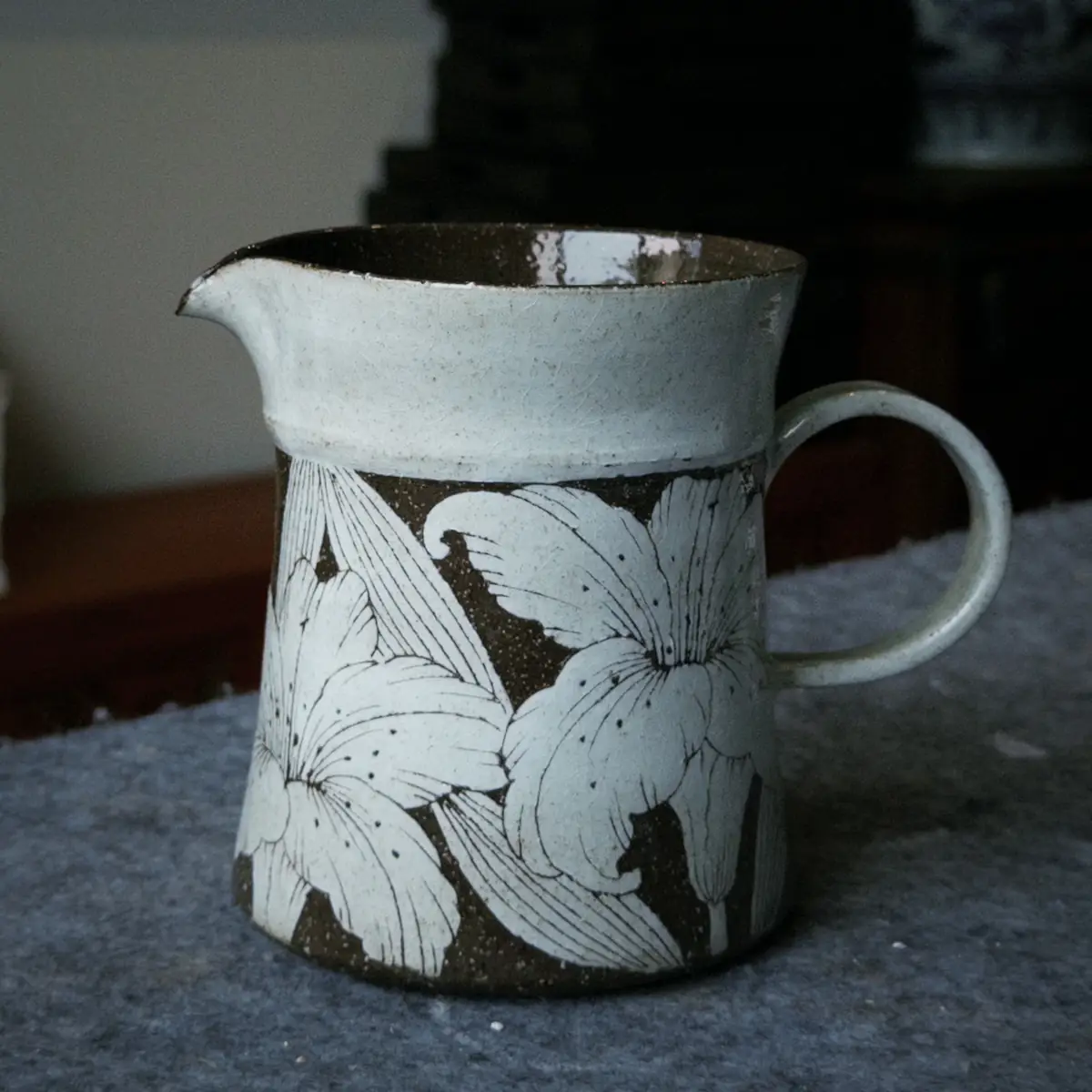
Each form is thrown by hand and brushed with white slip. While the clay is still leather-hard, the pattern is carved through it, one line at a time, until the dark body shows beneath. A lily that takes an afternoon to carve will never repeat, because a hand never repeats.
Meet the maker
A speckled stoneware pitcher with carved lilies, in the studio's evening light

From raw ore to kiln

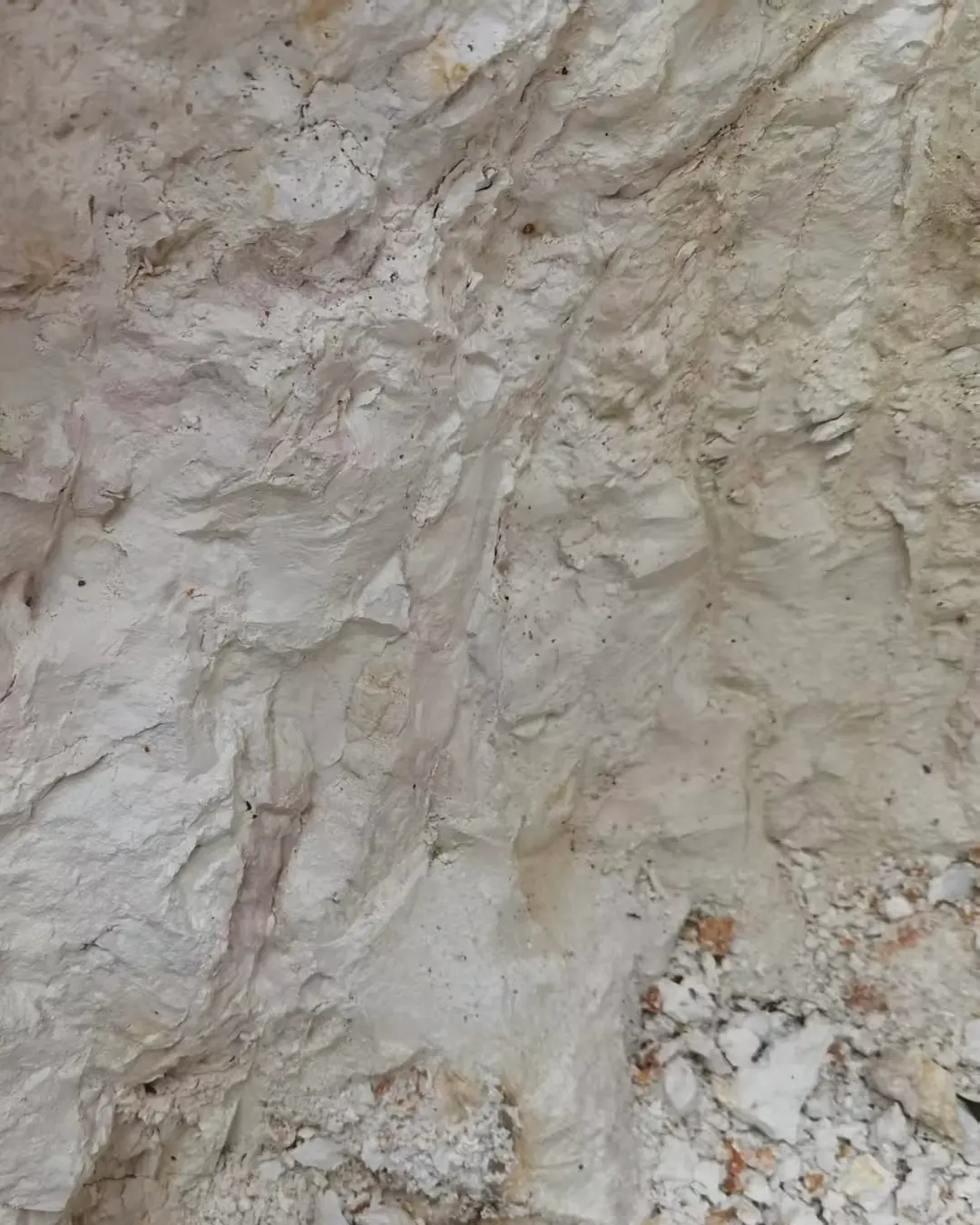
A freshly cut face of raw clay ore, chalk-white and streaked with iron
Raw ore at the seam, before milling.

Not the same clay as most “ceramics”

Most tableware sold as ceramic is earthenware, fired around 1000 °C. At that heat the clay never fully closes up: the body stays porous and depends entirely on its glaze to hold liquid. Chip the glaze and the pot starts to drink.

Ours is stoneware, taken past 1200 °C. Somewhere in that range the body vitrifies — the particles fuse into a glass-tight mass. It is watertight with or without glaze, hard enough to ring when you tap it, and closer in character to stone than to porcelain.

The blend is mixed in the studio. Five things, each doing one job:

Ore clay
The body itself. Iron-rich, which is why it fires dark brown rather than white — and why tiny iron specks bloom through the surface in the kiln.
Kaolin
The refractory backbone. Kaolin barely moves at high heat, so it holds the wall upright at temperatures where softer clays would slump. It is the mineral that makes porcelain porcelain.
Feldspar
The flux. It melts first and welds the other particles into a glassy matrix — this is what turns porous clay into something watertight.
Quartz
The skeleton. It resists shrinking, keeps the form dimensionally honest through drying and firing, and lowers the risk of cracks.
Grog
Clay already fired once, ground back to grit. It has no shrinkage left, so it steadies the piece in the kiln — and it is the faint grain of sand you feel under your thumb.
  1. 01

    Clay

    Raw ore, blended with kaolin, feldspar and quartz, vacuum-milled and aged for weeks before it touches the wheel.

  2. 02

    Wheel

    Every form is thrown and trimmed by hand. Handles and spouts are pulled separately, then joined one at a time.

  3. 03

    Carve

    A coat of white engobe — clay, not glaze. At leather-hard, the pattern is drawn freehand and carved through, line by line: sgraffito.

  4. 04

    Fire

    Up to 1260 °C, over long hours, cooled for a full day. Then rims, feet and handles are ground and polished, and every piece is checked by hand.

Sixteen steps in all, from clay to final inspection — no transfers, no stamps, no printing.

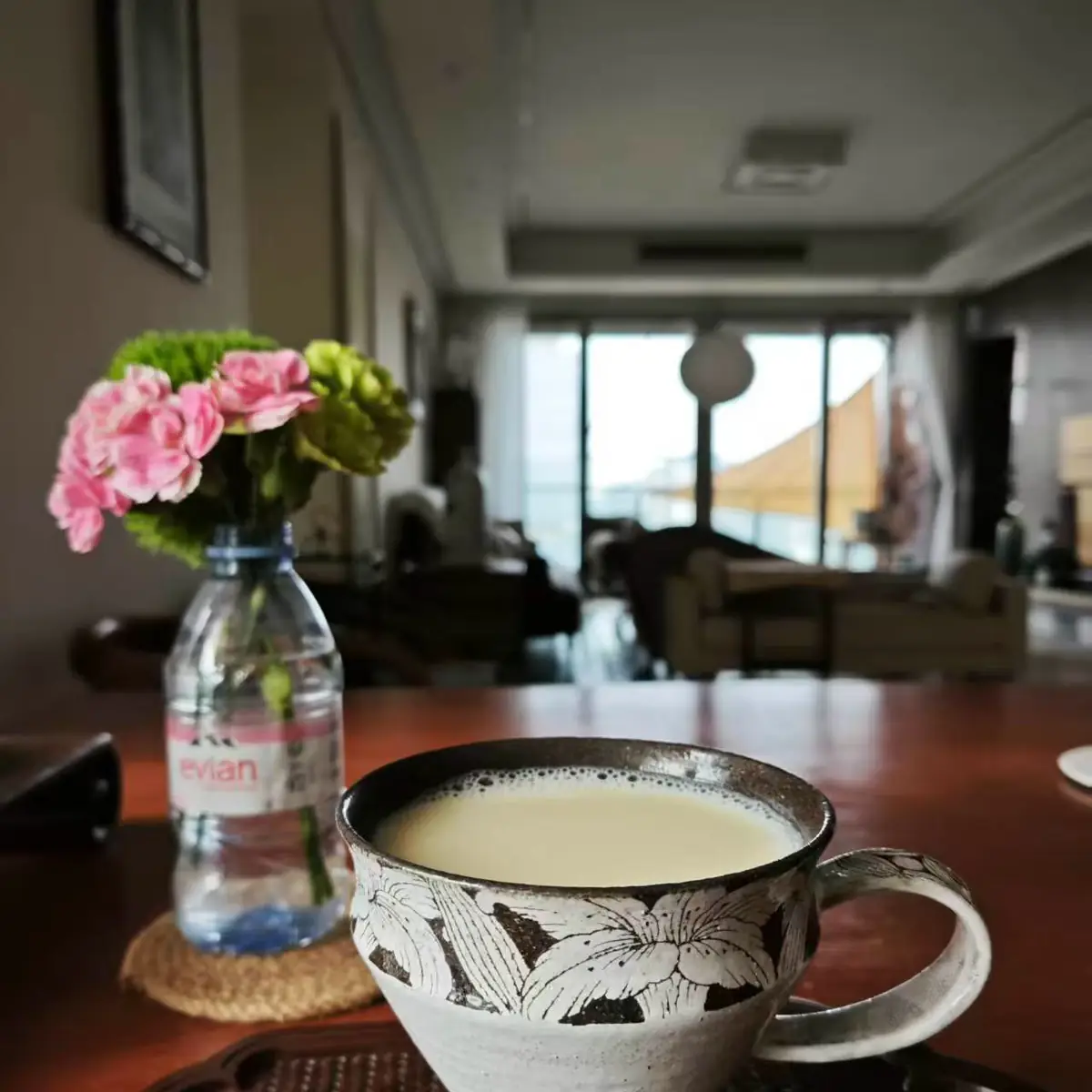
Morning coffee in a carved lily cup, resting on a woven tray

Not cabinet pieces

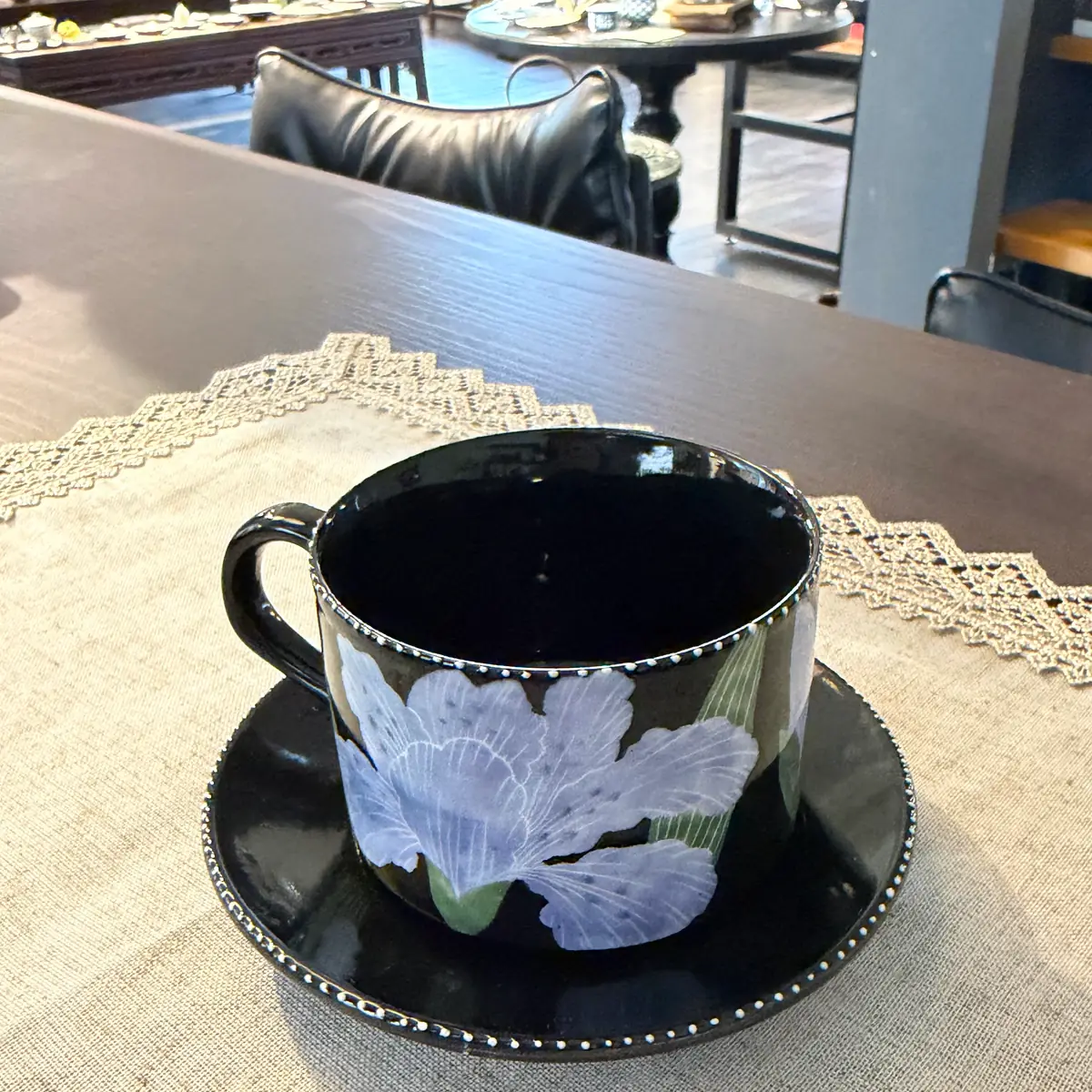
These cups are made to be picked up half-asleep, filled with coffee, and set down a little too hard. The inside is sealed with a glossy dark glaze; the carved outside asks for nothing but a hand wash.

The speckled clay body is fired past 1200 °C — hard, dense, and meant for years of mornings, not a shelf.

How to care for yours

Living with it

  • Food safe

    Glazed to food-contact standards, safe for hot tea, coffee and acidic food like lemon water. The sealed interior is made for daily drinking.

  • Microwave & fridge

    Both are fine. Warm your coffee, chill your dessert — the fired body handles it.

  • Hand wash only

    Warm water, a soft sponge, a little mild soap. A soft brush lifts anything caught in the carved lines.

  • No dishwasher

    The heat and harsh detergent of a dishwasher cycle dull the carved surface over time. Two minutes at the sink keeps it right.

  • Won't stain or hold flavours

    Coffee and tea leave no mark, and yesterday's drink leaves no trace. Every rim is ground smooth by hand, so nothing catches on your lip.

  • Arrives broken? We remake it

    Film your unboxing with the label in frame and a new piece goes into the kiln the same day — at our cost, nothing further to pay. We deal with the carrier, you don't.

One thing worth knowing: fine crazing — a faint web of hairlines in the glaze — can appear over the years, and occasionally a piece leaves the kiln with it already there. It is not a crack and not a fault. It is the glaze and the clay settling against one another, and it is the most honest mark a hand-made pot can carry.

Questions answered

Write to the studio

It reaches us directly — no support desk in between.